

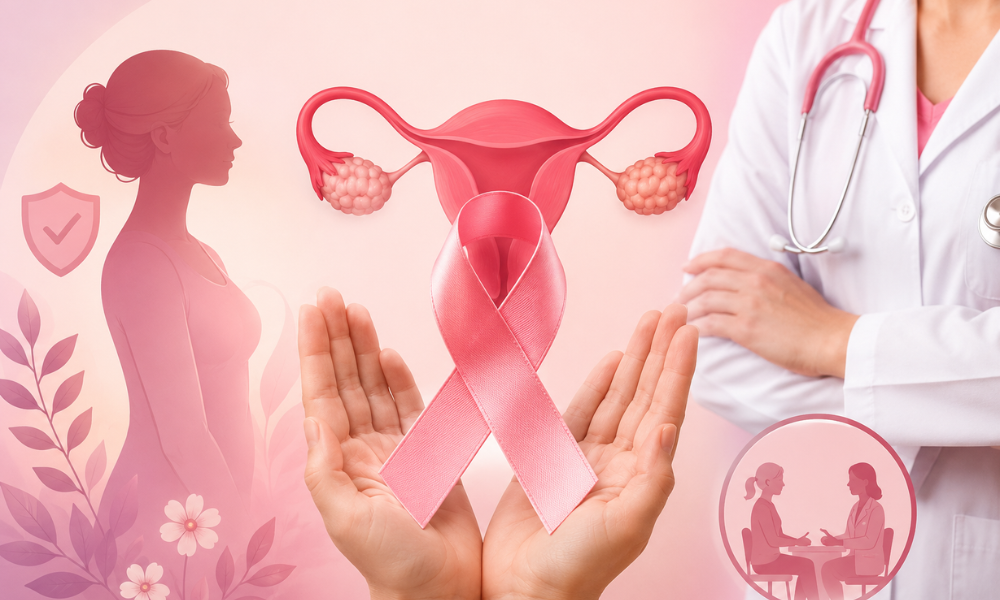
Vulval Cancer Awareness:- Prevention Tips and When to See a Doctor?
Although less common than other gynecological cancers, it is important to be aware of vulval cancer because early detection can greatly improve treatment outcomes. Many women overlook<br/> the early signs, mistaking them for simple skin infections or irritation. Understanding the warning signs, prevention strategies, and knowing when to seek medical advice can help protect your health.
What is Vulval Cancer?
Vulval cancer develops in the tissues of the vulva, which includes the labia, clitoris, and the opening of the vagina.
It usually grows slowly over time and often begins with changes in the skin cells of the vulva.
This cancer is more commonly seen in older women, but younger women can also develop it, especially if they have certain risk factors such as HPV infection.
Common Symptoms of Vulval Cancer
Recognizing the early symptoms of vulval cancer is essential for timely diagnosis and treatment.
Some common signs include:
– Persistent itching in the vulva
– Pain or tenderness in the genital area
– A lump, swelling, or wart-like growth
– Skin color changes in the vulval area
– Unusual bleeding or discharge
– Burning sensation during urination
– Open sores that do not heal
If any of these symptoms persist for more than a few weeks, it is important to seek medical advice.
Causes and Risk Factors
While the exact cause of vulval cancer is not always clear, several factors may increase the risk:
Human Papillomavirus (HPV) Infection
Certain types of HPV are strongly linked to vulval cancer.
Smoking
Smoking weakens the immune system and increases the risk of many cancers, including vulval cancer.
Increasing Age
The risk becomes higher in women above the age of 50.
Weakened Immune System
Conditions that affect immunity may make it harder for the body to fight abnormal cell growth.
Chronic Skin Conditions
Long-term vulval skin disorders can sometimes lead to cancerous changes.
Prevention Tips for Vulval Cancer
Although not all cases can be prevented, there are several ways to lower the risk of vulval cancer.
1.Get Regular Gynecological Checkups
Routine pelvic exams help detect abnormal changes early before they become serious.
2.Take the HPV Vaccine
The HPV vaccine can protect against the virus strains linked to vulval and cervical cancers.
3.Maintain Good Intimate Hygiene
Keeping the genital area clean and dry can reduce irritation and infections.
4.Avoid Smoking
Quitting smoking improves overall health and lowers cancer risk.
5.Monitor Skin Changes
Pay attention to unusual itching, sores, or color changes in the vulval area.
6.Practice Safe Sexual Habits
Safe sexual practices may reduce the risk of HPV infection.
Importance of Choosing the Right Specialist
If you notice any unusual symptoms related to vulval health, consulting an experienced gynecologic oncologist is essential.
Early diagnosis and expert care can improve treatment success and recovery. Many patients searching for the Best Vulval Cancer Doctor in Faridabad look for specialists with experience in women’s cancer treatment, advanced diagnostic methods, and personalized care plans.
When Should You See a Doctor?
Many women delay seeking medical help due to embarrassment or lack of awareness.
However, consulting a doctor early can make a major difference.
You should see a doctor if you experience:
– Persistent itching or pain
– Any unusual lump or growth
– Non-healing sores
– Bleeding unrelated to periods
– Skin thickening or discoloration
Doctors may perform a physical examination, biopsy, or imaging tests to confirm the diagnosis.
Treatment Options for Vulval Cancer
Treatment depends on the stage and severity of the cancer.
Common treatment methods include:
– Surgery
– Radiation therapy
– Chemotherapy
– Immunotherapy in selected cases
Early-stage vulval cancer often has better treatment success rates.
Importance of Early Detection
Awareness and regular health checkups are the key to early diagnosis.
Many women recover successfully when vulval cancer is detected in its early stages. Ignoring symptoms may allow the disease to progress and become harder to treat.
Conclusion:
Vulval cancer awareness is essential for every woman.
Understanding the symptoms, following preventive measures, and seeking timely medical care can help reduce the risks associated with this condition. Never ignore persistent discomfort or unusual changes in your body. Prioritizing women’s health and regular medical checkups can lead to early detection and better outcomes.