

What Is Robotic Cancer Surgery? Benefits, Recovery & Success Rates
Over the years, cancer surgery has become far more advanced, allowing doctors to treat complex tumors with greater safety and accuracy. One of the most significant developments in this area is robotic-assisted cancer surgery, an innovative technique that helps surgeons perform delicate procedures using highly advanced robotic technology.
In gynecologic oncology, robotic surgery is increasingly used for cancers affecting the female reproductive system, including cervical cancer, ovarian cancer, uterine cancer, and endometrial cancer. This technique is designed to make surgery less invasive while improving surgical precision and patient comfort during recovery.
Unlike traditional open operations that often require large abdominal incisions, robotic-assisted procedures are performed through very small openings. This approach usually causes less trauma to healthy tissues and may help patients recover more smoothly after surgery.
The growing use of robotic surgery in cancer care reflects the medical community’s focus on combining advanced technology with personalized treatment strategies. When performed by an experienced gynecologic oncology specialist, robotic surgery can support effective cancer treatment while helping patients experience shorter recovery periods and reduced postoperative discomfort.
What Is Robotic Cancer Surgery?
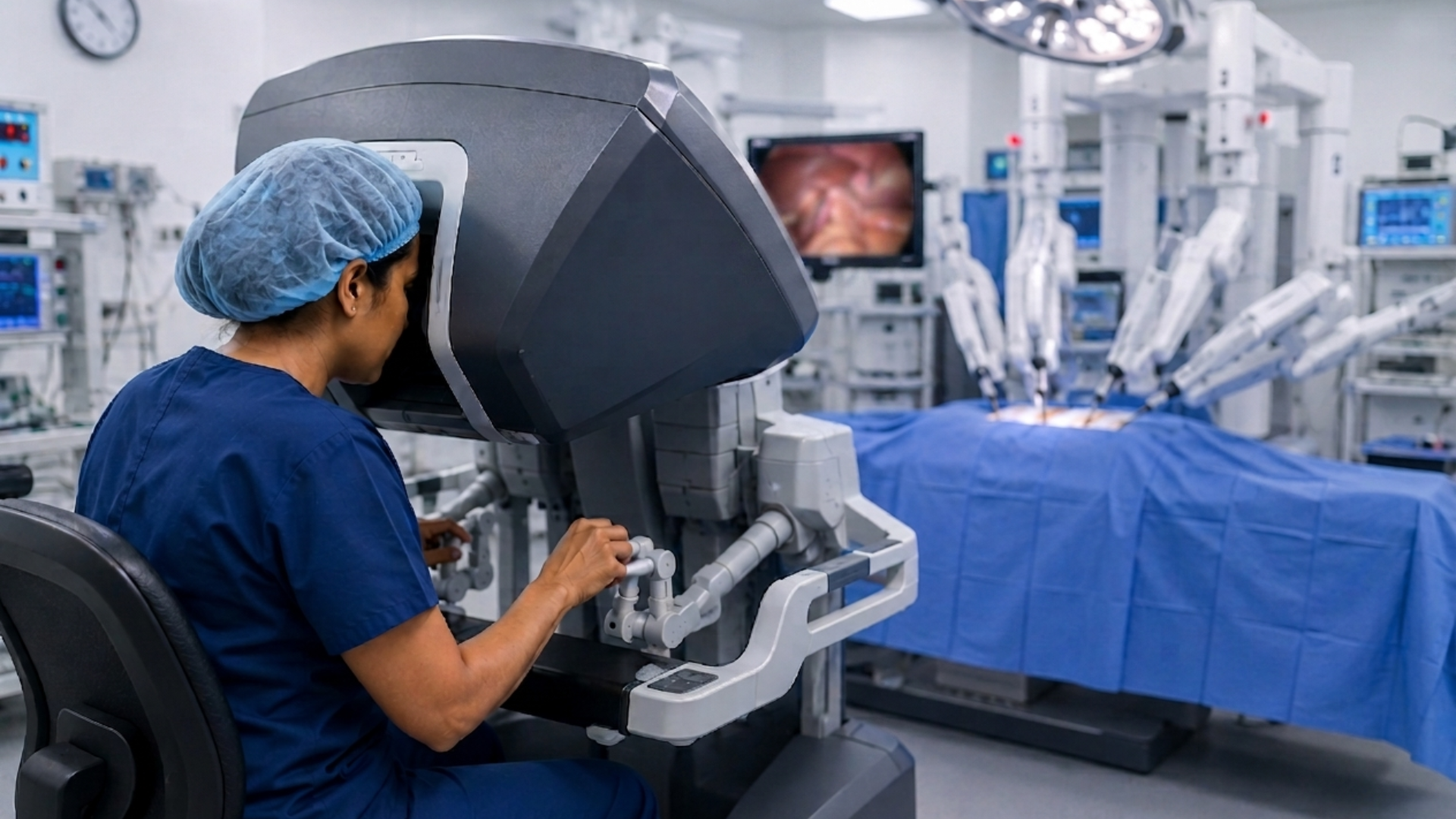
Robotic cancer surgery is a modern surgical method in which specially designed robotic instruments assist surgeons during cancer operations. Although the technology is highly advanced, the procedure is completely directed by the surgeon throughout the operation.
The robotic platform allows the surgeon to control miniature instruments through a computerized console positioned near the patient. At the same time, a powerful camera system provides a magnified three-dimensional view of the surgical area, helping the surgeon see tissues and organs with remarkable clarity.
This technology is especially valuable during complex cancer procedures because it allows more refined movements in areas that may be difficult to access using conventional techniques.
Important features of robotic-assisted surgery include:
- Enhanced precision during tumor removal
- Better visibility of internal structures
- Greater flexibility of surgical instruments
- Stable and controlled hand movements
- Minimal disruption to nearby healthy tissues
Because of these advantages, robotic surgery has become an important option for selected gynecologic cancer treatments and staging procedures.
How Robotic-Assisted Surgery Is Performed?
Before surgery begins, the patient is given anesthesia to ensure complete comfort during the procedure. The surgeon then creates several tiny openings through which robotic instruments and a high-definition camera are inserted.
While seated at a specialized console, the surgeon carefully guides the robotic instruments in real time. Every movement made by the surgeon is translated into highly accurate actions inside the patient’s body.
The advanced imaging system allows doctors to clearly identify delicate tissues, blood vessels, and cancerous areas throughout the procedure. Once the tumor and affected tissues are removed, the instruments are withdrawn and the incisions are closed.
Because the surgery involves smaller incisions, patients often experience less postoperative discomfort compared to traditional open surgery.
Conditions Commonly Treated with Robotic Cancer 1.Surgery
Robotic-assisted procedures are now widely used in the treatment of various gynecologic cancers.
2. Cervical Cancer
In selected cervical cancer cases, robotic surgery may be used for radical hysterectomy and pelvic lymph node removal. The technique helps surgeons operate with precision while reducing damage to surrounding tissues.
3. Ovarian Cancer
For some ovarian cancer patients, robotic-assisted procedures may be recommended for diagnostic evaluation, staging, or removal of localized tumors depending on the extent of disease.
4. Uterine and Endometrial Cancer
Robotic surgery is commonly used in the management of uterine and endometrial cancers. It allows surgeons to remove cancerous tissues using minimally invasive methods that may support faster recovery.
5. Vaginal and Vulvar Cancer
Certain early-stage vaginal and vulvar cancers may also be managed with robotic-assisted surgical approaches in carefully selected patients.
Benefits of Robotic Cancer Surgery
1. Smaller Incisions and Reduced Scarring
One of the biggest advantages of robotic-assisted surgery is the use of tiny incisions instead of large surgical cuts. Smaller openings generally heal faster and leave less noticeable scars.
2. Improved Surgical Control
The robotic system provides enhanced control and flexibility during surgery. This can be especially useful when operating near delicate organs and tissues within the pelvis.
3. Reduced Blood Loss
The precision offered by robotic technology may help minimize injury to blood vessels during surgery, often resulting in lower blood loss compared to traditional procedures.
4. Shorter Hospital Stay
Many patients undergoing robotic surgery are discharged earlier than those who undergo open surgery. In many cases, hospitalization may last only a few days depending on the procedure performed.
5. Faster Recovery
Since robotic-assisted surgery is minimally invasive, patients are often able to return to light activities more quickly. Recovery experiences vary from patient to patient, but overall healing time may be shorter.
6.Lower Risk of Certain Complications
Smaller incisions and reduced tissue trauma may help decrease the risk of wound infections, severe postoperative pain, and prolonged recovery-related complications.
Recovery After Robotic Cancer Surgery
Recovery following robotic-assisted surgery depends on several factors, including the type of cancer, the extent of surgery, and the patient’s general health condition.
Immediately after surgery, patients are closely monitored while recovering from anesthesia. Mild discomfort, fatigue, or temporary soreness around the incision sites may occur during the initial recovery period.
Doctors generally encourage early walking and gradual movement soon after surgery to support circulation and recovery. Patients are also advised to follow dietary recommendations, maintain hydration, and attend follow-up appointments regularly.
During recovery, patients are commonly advised to:
- Avoid heavy lifting for several weeks
- Follow medication instructions carefully
- Maintain proper wound hygiene
- Eat a balanced and nutritious diet
- Contact their doctor if unusual symptoms develop
Most patients gradually return to their normal routine after adequate healing and medical clearance.
Success Rates of Robotic Cancer Surgery
The success of robotic-assisted cancer surgery depends on multiple clinical factors, including:
- Type of cancer
- Stage at diagnosis
- Overall patient health
- Surgical expertise
- Timely treatment planning
Several medical studies have shown encouraging outcomes with robotic-assisted procedures in gynecologic oncology. In appropriately selected patients, robotic surgery has demonstrated positive results in terms of surgical precision, recovery experience, and overall treatment effectiveness.
In many early-stage gynecologic cancers, robotic-assisted procedures can provide outcomes comparable to traditional open surgery while offering the additional benefits of minimally invasive treatment.
Who May Be a Suitable Candidate?
Not every patient is considered an ideal candidate for robotic-assisted cancer surgery. Treatment recommendations depend on:
- Tumor size and location
- Spread of cancer
- Previous surgeries
- General medical condition
- Individual treatment goals
A detailed evaluation by a qualified gynecologic oncology specialist is essential before deciding whether robotic surgery is appropriate.
Choosing the Right Cancer Specialist
Successful cancer treatment requires both advanced technology and experienced medical expertise. Patients should seek care from specialists trained in gynecologic oncology and minimally invasive cancer surgery techniques.
An experienced Gynecologic Cancers Surgeon in Delhi can provide comprehensive evaluation, accurate treatment planning, and personalized surgical care based on the patient’s condition and cancer stage.
For women seeking advanced treatment options with modern surgical technology, consulting a trusted Best Gynecologic Oncologist Near Faridabad can help ensure access to specialized cancer care, better treatment guidance, and long-term postoperative support.