
Early Signs of Ovarian Cancer Every Woman Should Know
Ovarian cancer is often referred to as a “silent disease” because its symptoms can be mild and easy to overlook when it’s first developing. Many women mistake these signs for normal issues such as stomach problems, changes in hormones, or general tiredness. But noticing these symptoms early on can make a big difference in getting diagnosed quickly and treating the disease effectively.
Understanding the early signs of ovarian cancer can help women get medical help sooner, which can lead to better health results.
What Is Ovarian Cancer?
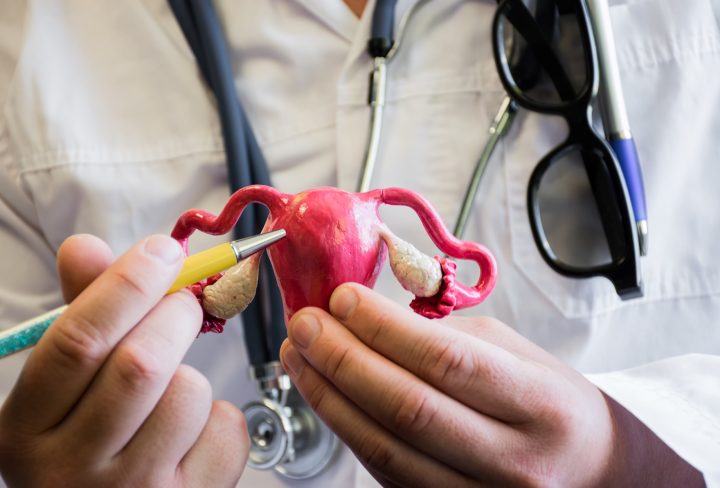
Ovarian cancer starts in the ovaries, which are part of the female reproductive system.
These organs are responsible for making eggs and hormones. While ovarian cancer can affect women of any age, the risk tends to increase after menopause. Detecting it early is one of the most important steps in improving survival chances.
Common Early Signs of Ovarian Cancer
1.Constant Bloating
Occasional bloating is normal, but if it continues and doesn’t go away, it’s something to pay attention to.
Women with ovarian cancer frequently feel bloated in a way that doesn’t seem usual.
2.Pelvic or Abdominal Pain
Pain in the lower abdomen or pelvic area can be an early warning sign.
This pain may start off as mild and come and go but can become more frequent over time.
3.Feeling Full Quickly While Eating
Women with ovarian cancer often feel full after eating just a little food.
Losing interest in food or finding it hard to finish meals might suggest something is wrong.
4.Frequent Urination
If you suddenly feel the need to urinate more often than usual, this could be a sign of ovarian cancer.
5.Changes in Bowel Habits
If you’re having trouble going to the restroom regularly or notice unusual digestion problems that last for weeks, it’s best to see a doctor.
6.Unexplained Weight Changes
Sudden weight loss or gain, especially around the stomach area, might happen because of fluid buildup or changes in body chemistry.
7.Fatigue and Low Energy
Feeling very tired that doesn’t go away with rest can be a symptom.
Cancer-related fatigue is often more severe than normal tiredness.
8.Back Pain
Lower back pain with no clear cause can sometimes be linked to ovarian cancer, especially if it occurs with other symptoms.
Who Is at Higher Risk?
Certain factors may increase the chance of developing ovarian cancer, including:
– Family history of ovarian or breast cancer
– Genetic mutations like BRCA1 and BRCA2
– Being older
– Endometriosis
– Hormonal factors
– Being overweight
Women who have a strong family history should consider regular medical check-ups and talk with a specialist about screening options.
Why Early Detection Matters
Ovarian cancer is easier to treat when found early. Unfortunately, many cases are discovered at a more advanced stage because the symptoms are not clear and are often ignored. Paying attention to ongoing changes in the body and getting medical advice as soon as possible can lead to an earlier diagnosis and better treatment outcomes.
Diagnostic Tests for Ovarian Cancer
Doctors may use several tests if they suspect ovarian cancer, such as:
– Pelvic exam
– Ultrasound
– CT or MRI scans
– Blood tests like CA-125
– Biopsy to confirm the diagnosis
These tests help determine if cancer is present and at what stage it is, which helps in making a treatment plan.
Treatment Options Available:
Treatment depends on the stage and type of ovarian cancer.
– Surgery
– Robotic surgery for cancer
– Chemotherapy
– Targeted therapy
– Cytoreductive surgery with HIPEC for advanced cases
New advancements in gynaecologic cancer care have improved treatment outcomes and recovery for many patient.
Conclusion:
Being aware of the early signs of ovarian cancer can help women take action and get necessary medical care before the disease becomes more serious. Symptoms like persistent bloating, pelvic pain, digestive issues, and unexplained tiredness should never be ignored, especially if they last for several weeks. Regular health screenings, early diagnosis, and talking to a medical professional are important in improving treatment success and quality of life. Women looking for expert care and treatment options can speak with an experienced Gynaecologic Cancers Surgeon in South Delhi for accurate diagnosis, personalized treatment, and compassionate support throughout their healthcare journey.