

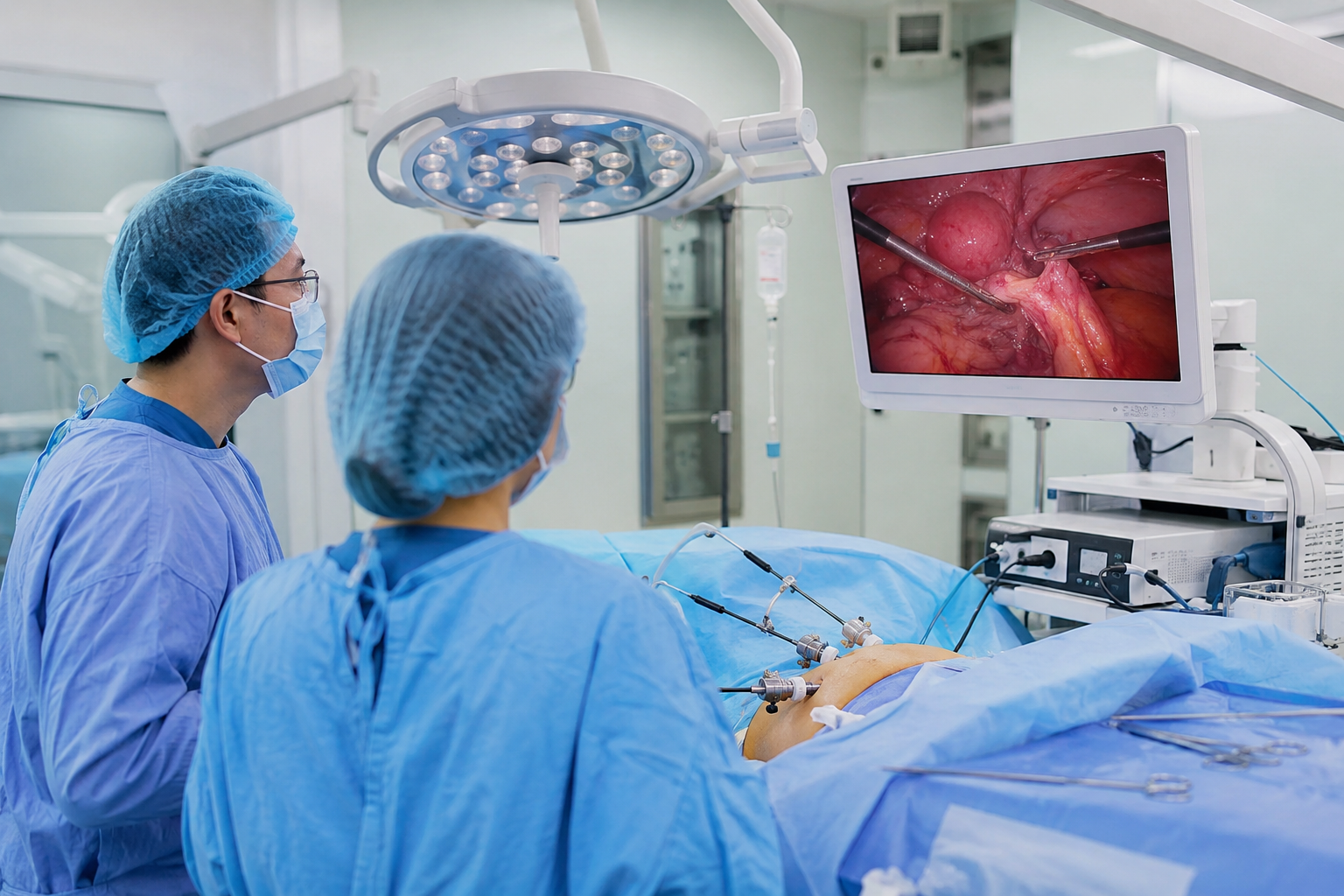
How Minimally Invasive Surgery Is Transforming Gynecologic Cancer Treatment
The treatment of gynecologic cancers has undergone remarkable advancements over the past two decades. Traditionally, many women diagnosed with cancers of the cervix, uterus, ovaries, vulva, or vagina required extensive open surgeries involving large incisions, prolonged hospital stays, significant postoperative discomfort, and lengthy recovery periods. Today, the emergence of minimally invasive surgical techniques has transformed the way gynecologic cancers are managed, offering patients safer procedures, faster recovery, and improved quality of life.
Minimally invasive surgery (MIS) includes advanced laparoscopic surgery, robotic-assisted surgery, and other precision-guided techniques that allow surgeons to perform complex cancer procedures through small incisions. These innovations have revolutionized gynecologic oncology by enabling highly accurate tumor removal while minimizing trauma to surrounding tissues.
As cancer care continues to evolve, minimally invasive approaches are becoming an integral part of personalized treatment plans for many women diagnosed with gynecologic malignancies. Understanding how these techniques work and their benefits can help patients make informed decisions about their treatment journey.
Understanding Gynecologic Cancers
Gynecologic cancers refer to cancers that originate in a woman’s reproductive organs. These include:
- Cervical cancer
- Ovarian cancer
- Uterine (endometrial) cancer
- Vaginal cancer
- Vulvar cancer
- Fallopian tube cancer
The treatment approach for each cancer depends on multiple factors, including the cancer type, stage, tumor size, spread of disease, overall health of the patient, and fertility considerations. Surgery often remains a cornerstone of treatment, either as a standalone option or in combination with chemotherapy, radiation therapy, targeted therapy, or immunotherapy.
Advancements in surgical oncology have enabled specialists to achieve excellent oncological outcomes while reducing surgical morbidity through minimally invasive techniques.
What Is Minimally Invasive Surgery?
Minimally invasive surgery involves performing complex procedures through small incisions instead of the large openings required in conventional open surgery.
Using specialized instruments, cameras, and advanced visualization systems, surgeons can access and remove cancerous tissues with exceptional precision.
The primary minimally invasive techniques used in gynecologic oncology include:
1.Laparoscopic Surgery
Laparoscopic surgery utilizes a thin camera called a laparoscope inserted through small incisions in the abdomen. High-definition imaging allows surgeons to visualize internal organs and perform precise procedures with specialized instruments.
2.Robotic-Assisted Surgery
Robotic surgery combines surgeon expertise with advanced robotic technology. The surgeon controls robotic arms from a console, enabling enhanced dexterity, three-dimensional visualization, and improved precision during delicate cancer surgeries.
3.Sentinel Lymph Node Mapping
This technique helps identify the first lymph nodes likely to receive cancer spread. By accurately evaluating these nodes, surgeons can often avoid extensive lymph node removal, reducing complications such as lymphedema.
Why Minimally Invasive Surgery Is Transforming Cancer Care?
The growing adoption of minimally invasive techniques is changing the treatment landscape for gynecologic cancers because of the significant advantages offered to patients.
1.Smaller Incisions and Reduced Surgical Trauma
Unlike traditional open surgery, which may require large abdominal incisions, minimally invasive procedures are performed through small openings. This reduces tissue damage and promotes faster healing.
2.Less Postoperative Pain
Patients undergoing minimally invasive procedures generally experience significantly less pain compared to those who undergo open surgery. Reduced pain often translates into lower dependence on pain medications and improved comfort during recovery.
3.Faster Recovery and Return to Daily Activities
One of the most appreciated benefits of minimally invasive surgery is quicker recovery. Many patients can resume normal activities sooner, helping them regain independence and quality of life more rapidly.
4.Shorter Hospital Stays
Patients often spend fewer days in the hospital following minimally invasive procedures. Shorter hospitalization decreases healthcare costs and lowers the risk of hospital-acquired infections.
5.Reduced Blood Loss
Advanced surgical visualization and precision instruments allow surgeons to operate with greater accuracy, minimizing blood loss and reducing the need for transfusions.
6.Lower Risk of Surgical Complications
Smaller incisions generally result in lower rates of wound infections, hernias, and postoperative complications compared to traditional open surgeries.
Applications in Different Gynecologic Cancers
Endometrial (Uterine) Cancer
Minimally invasive surgery has become a preferred approach for many patients with early-stage endometrial cancer.
Procedures often include:
- Total hysterectomy
- Removal of fallopian tubes and ovaries
- Sentinel lymph node mapping
- Pelvic lymph node assessment
Numerous studies have demonstrated that laparoscopic and robotic approaches provide cancer outcomes comparable to open surgery while offering superior recovery benefits.
Cervical Cancer
For carefully selected patients with early-stage cervical cancer, minimally invasive procedures may be used for:
- Radical hysterectomy
- Lymph node evaluation
- Fertility-preserving surgeries in selected cases
Treatment decisions are individualized based on tumor characteristics and current evidence-based guidelines.
Ovarian Cancer
Ovarian cancer often requires extensive surgical staging and tumor debulking. While advanced-stage disease may still necessitate open surgery in some cases, minimally invasive techniques play an important role in:
- Diagnostic procedures
- Staging surgeries
- Assessment of disease extent
- Selected early-stage ovarian cancers
Advanced expertise is essential when determining whether minimally invasive surgery is appropriate for ovarian cancer patients.
Vulvar and Vaginal Cancers
Minimally invasive approaches may assist in lymph node evaluation and selected reconstructive procedures while minimizing treatment-related morbidity.
The Role of Robotic Surgery in Gynecologic Oncology
Robotic-assisted surgery represents one of the most significant advancements in modern gynecologic cancer care.
Benefits of robotic technology include:
- Enhanced three-dimensional visualization
- Improved precision during complex dissections
- Greater instrument flexibility
- Better access to difficult anatomical regions
- Improved surgeon ergonomics
Robotic systems are particularly valuable when operating near critical structures such as blood vessels, nerves, ureters, and lymphatic pathways.
As robotic platforms continue to evolve, they are helping expand minimally invasive options for increasingly complex cancer cases.
Importance of Expert Surgical Decision-Making
While minimally invasive surgery offers numerous advantages, it is not suitable for every patient or every cancer stage.
Appropriate patient selection is critical. Treatment planning should consider:
- Cancer type
- Stage of disease
- Tumor size
- Previous surgeries
- Overall medical condition
- Need for additional treatments
This is why evaluation by an experienced gynecologic oncologist is essential. A specialist trained in gynecologic cancer surgery can determine the safest and most effective approach for each patient.
Women diagnosed with gynecologic cancers often benefit from consultation with a Gynecologic Cancers Specialist in Delhi who can assess whether minimally invasive techniques are appropriate while ensuring adherence to established oncologic principles.
Advancements Beyond Surgery
Modern gynecologic oncology extends beyond surgical innovation. Minimally invasive surgery is increasingly integrated with other advanced treatment modalities, including:
1.Precision Oncology
Molecular profiling and genetic testing help identify targeted therapies tailored to specific tumor characteristics.
2.Enhanced Recovery After Surgery (ERAS)
ERAS protocols improve postoperative recovery through evidence-based strategies that reduce complications and shorten hospital stays.
3.Fertility-Sparing Treatments
For selected younger women diagnosed with early-stage gynecologic cancers, fertility-preserving approaches may be considered whenever medically appropriate.
4.Personalized Treatment Planning
Multidisciplinary cancer teams now collaborate to create individualized treatment strategies based on each patient’s unique clinical situation.
Choosing the Right Specialist for Gynecologic Cancer Treatment
Successful cancer treatment depends not only on technology but also on the expertise of the medical team.
Dr. Neha Kumar is a highly experienced gynecologic oncologist with extensive training in gynecologic cancer management. She has completed MBBS from Maulana Azad Medical College, MS in Obstetrics & Gynecology from University College of Medical Sciences, and MCh in Gynecologic Oncology from Tata Memorial Centre, Mumbai. She currently serves as a Senior Consultant and Robotic Surgeon in Gynecologic Oncology and has extensive experience in advanced gynecologic cancer surgeries, robotic procedures, cytoreductive surgeries, HIPEC, and fertility-preserving management for gynecologic malignancies.
Her clinical approach emphasizes evidence-based care, personalized treatment planning, advanced surgical techniques, and compassionate patient-centered management. She has special expertise in robotic surgery, ovarian cancer surgery, advanced gynecologic malignancies, and complex oncologic procedures.
Conclusion
Minimally invasive surgery has revolutionized the treatment of gynecologic cancers by offering patients safer procedures, reduced pain, quicker recovery, shorter hospital stays, and excellent oncologic outcomes when appropriately selected. From laparoscopic and robotic-assisted surgery to sentinel lymph node mapping and enhanced recovery protocols, modern surgical innovations continue to improve the patient experience while maintaining high standards of cancer care.
As technology advances and expertise grows, minimally invasive techniques are expected to play an even greater role in the future of gynecologic oncology. Women facing a cancer diagnosis should seek evaluation from an experienced Gynaecological Oncology Consultant in Delhi who can determine the most appropriate treatment strategy and provide access to advanced surgical options tailored to their individual needs.